
-
Smoke and CO Detectors in Waco, TX
- Emergency Electrical Repair Service
- 100% Satisfaction Guarantee
- Licensed, Insured & Bonded Electrical Contractor in Texas
- Call/Text (254) 304-8824 Anytime Day or Night!
Smoke and Carbon Monoxide Detector Installation and Replacement
Smoke and carbon monoxide detectors are critical safety devices designed to alert occupants to fire or dangerous gas conditions. These systems provide early warning so that action can be taken quickly. Lochridge Priest Home Services provides residential installation, replacement, and inspection services for smoke and CO detection systems.
Many homes contain aging detectors that no longer function as designed. Over time, internal sensors lose sensitivity, batteries weaken, and electrical components degrade. Regular evaluation and timely replacement help maintain effective warning capability. Whether installing new equipment or upgrading older units, proper placement and connection are essential.
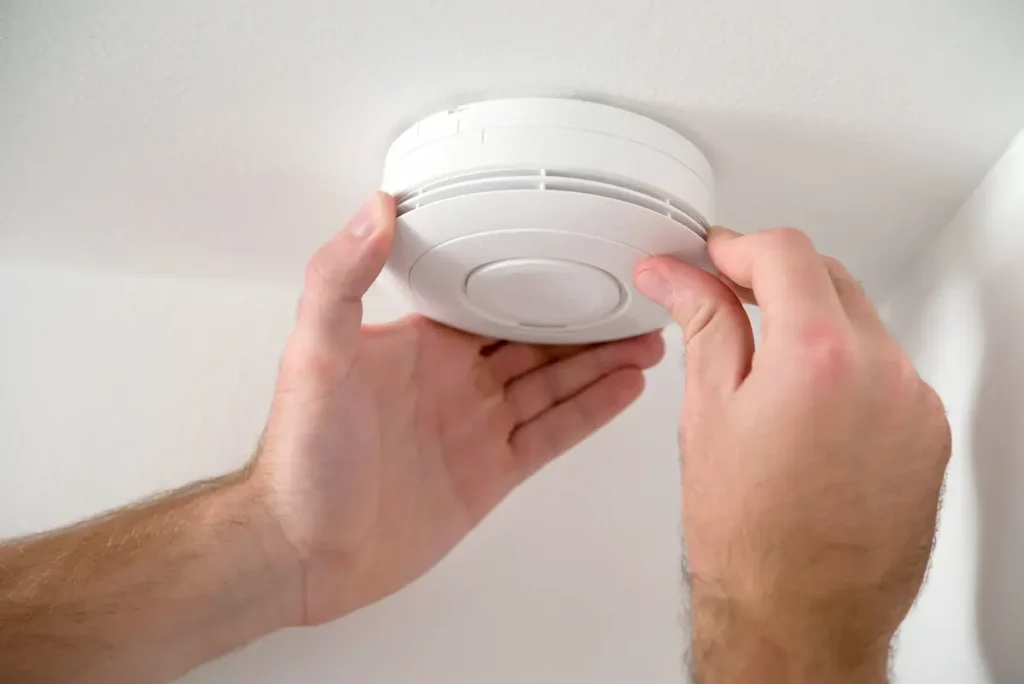
When homeowners install a smoke detector, it must be positioned correctly and tested thoroughly to ensure reliable operation.
Discount Coupons

$200 Off Electrical Panel Replacement
*Offers cannot be combined. Must mention coupon when scheduling service.
- LOCHRIDGE PRIEST Home Services
Where to Install a Smoke Detector
Proper placement plays a major role in detection performance. When you install a smoke detector, it should be mounted according to national safety guidelines and manufacturer instructions. Smoke rises, so ceiling-mounted units often provide the earliest alert.
Recommended installation areas include:
- Inside each bedroom
- Outside sleeping areas in hallways
- On every level of the home
- Near stairways
- In basements
- Near attached garages
Carbon monoxide detectors should also be installed near sleeping areas and on every level of the home. Placement near fuel-burning appliances may also be recommended, depending on home layout.
Correct positioning improves response time during emergencies and helps ensure alarms activate when needed.
Types of Smoke and CO Detection Devices
Different detection technologies respond to different types of hazards. Understanding available options helps determine the correct device for each area of the home.
- Ionization Smoke Detectors – Designed to detect fast-flaming fires.
- Photoelectric Smoke Detectors – Respond more quickly to slow, smoldering fires.
- Dual-Sensor Detectors – Combine ionization and photoelectric technology in one unit.
- Combination Smoke and Carbon Monoxide Units – Provide detection for both hazards in a single device.
- Hardwired Detectors – Connected to the home’s electrical system with battery backup.
- Battery-Operated Detectors – Operate independently and require regular battery replacement.
When you install a smoke detector, selecting the appropriate type ensures effective detection coverage throughout the home.
When to Replace Smoke and CO Detectors
Most smoke detectors should be replaced every 7 to 10 years, depending on the manufacturer. Carbon monoxide detectors typically have a similar lifespan. Replacing outdated devices ensures sensors remain responsive.
Signs that replacement may be necessary include:
- Frequent chirping despite new batteries
- Units older than ten years
- Failure during monthly testing
- Discoloration or visible physical damage
- False alarms occurring repeatedly
If you are unsure of your detector’s age, checking the manufacturing date printed on the back of the unit can help determine whether replacement is needed.
Professional Installation and Electrical Integration
Some homes use interconnected, hardwired detector systems. In these systems, when one alarm activates, all connected alarms sound. This configuration provides broader notification throughout the property.
When you install a smoke detector as part of a hardwired system, proper electrical connections must be made at the breaker panel and junction boxes. Wiring must comply with current electrical code requirements, and battery backup must be installed to maintain operation during power outages.
Professional installation includes secure mounting, proper wiring connections, and full testing of alarm functionality. After installation, each unit is tested to confirm that audible alerts and indicator lights function correctly.
Carbon Monoxide Detection and Safety
Carbon monoxide is an odorless, colorless gas produced by fuel-burning appliances such as furnaces, water heaters, fireplaces, and gas stoves. Without a detection device, carbon monoxide buildup may go unnoticed.
Carbon monoxide detectors should be placed outside sleeping areas and on each level of the home. Routine testing ensures that sensors and audible alarms operate properly. Replacing batteries regularly and following manufacturer guidelines supports consistent performance.
Installing detection devices in appropriate locations helps maintain early warning capability.
- Call/Text (254) 304-8824
- Emergency Electrical Repair Services
- Licensed, Insured, and Bonded in Texas
- What waco homeowners say about lochridge priest home services
Residential Smoke and CO Detector Services
Proper installation and maintenance of detection systems support overall household safety. Whether you need to install a smoke detector, replace aging equipment, add carbon monoxide detection, or upgrade to interconnected systems, correct installation ensures reliable operation.
Lochridge Priest Home Services provides residential smoke and carbon monoxide detector installation, replacement, and inspection services designed to support safe and code-compliant operation throughout the home.